Lessons From a Colorado Townhome Roof
Large HOA Projects Reveal Concerns During Cold-Weather Roofing
by Jonathan Abernathy, Director of Contractor Engagement, TAMKO Building Products
Anyone who has roofed in the West long enough knows that winter doesn’t announce itself politely. One week, the schedule feels manageable; the next, you’re watching temperatures, delivery trucks, and daylight all at once, knowing that any one of them can change the plan. That was the backdrop for a recent townhome reroofing project in Colorado: 111 units, one community, and a narrow window to get the work done as fall gave way to winter.
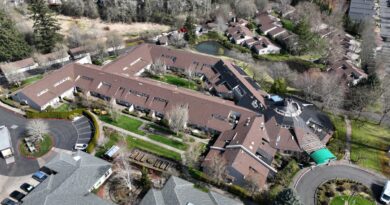
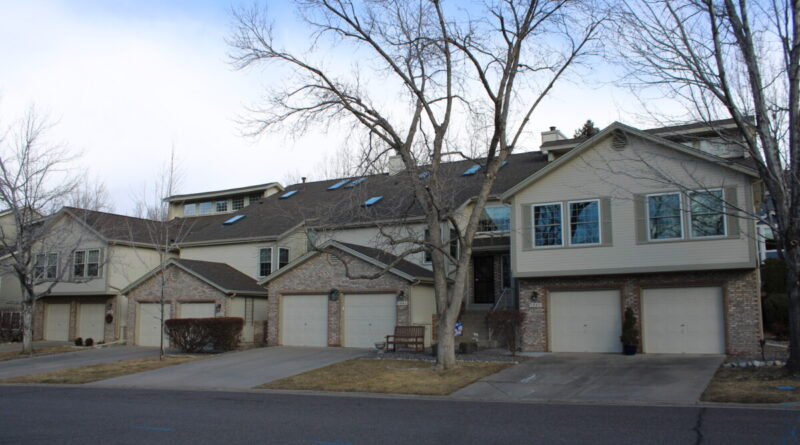
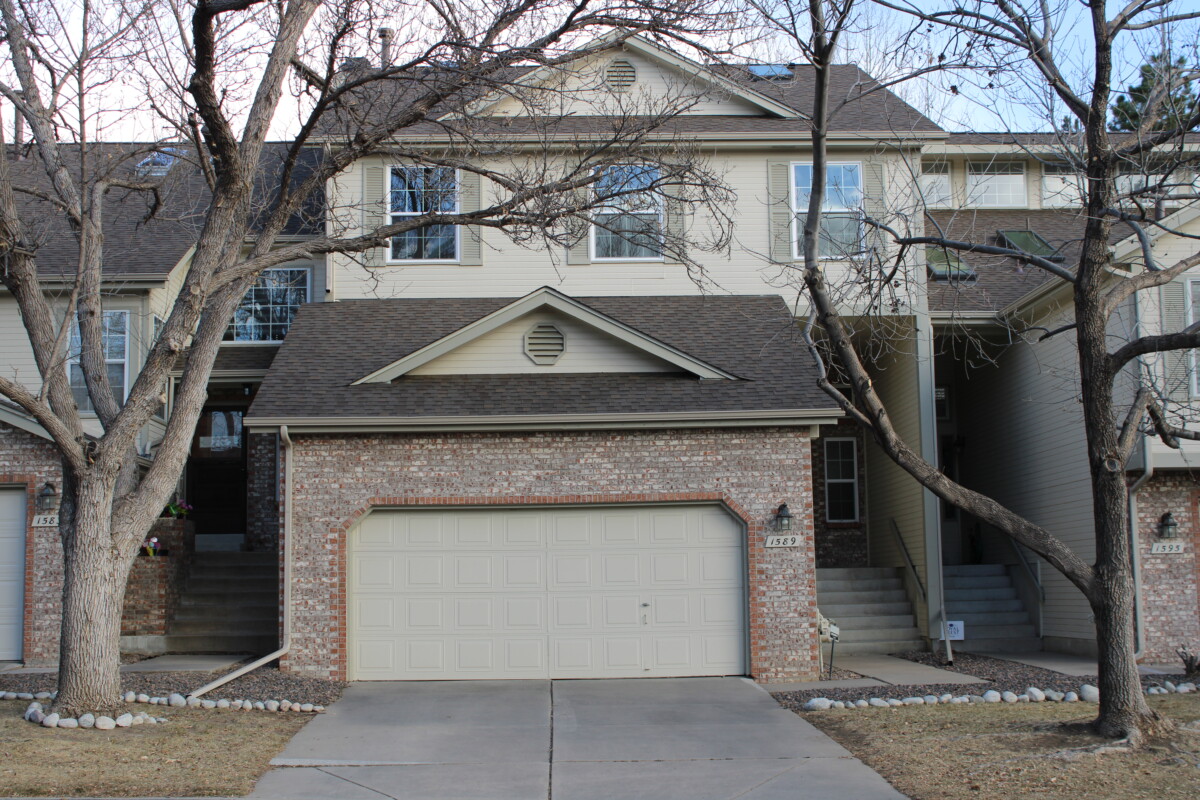
The Woodridge Terrace community in Centennial, Colorado, consists of 111 individual townhomes, each with roughly 1,800 sq.ft. of roof area. Add it up, and you’re working across more than 220,000 sq.ft. plus the gutters, all under the watch of an HOA board and hundreds of residents. The contract totaled about $1.17 million. More important than the number, though, was the timing. The project started late enough in the season that delays were expected.
“We were coming up on winter,” said the contractor, Mark Aumen of Colorado Preferred Roofing, Littleton, Colorado. “On a project this size, you don’t have the option to wait things out. You have to be ready to keep moving if conditions change.” That mindset shaped every decision that followed.
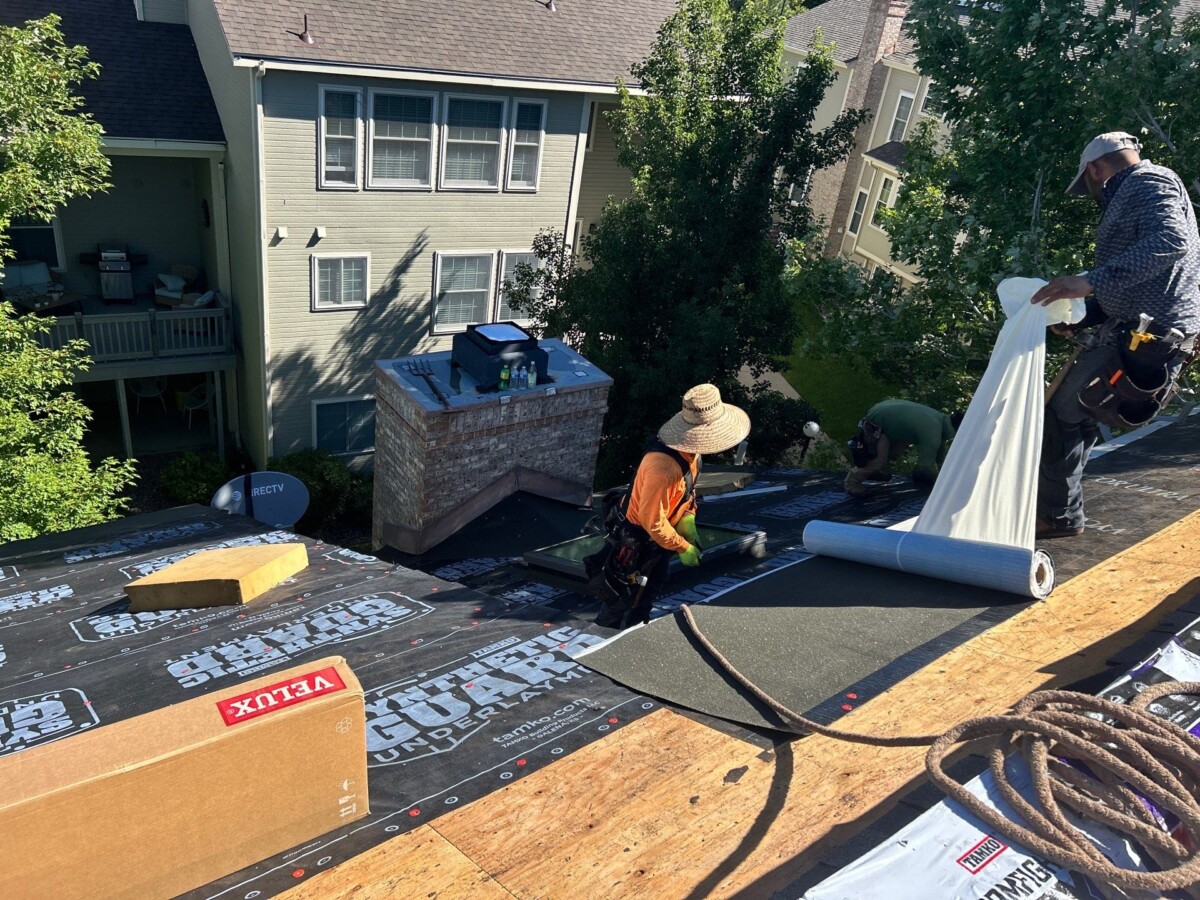
Cold weather is often treated as a scheduling problem. In reality, it’s a performance variable. Materials behave differently. Crews move differently. Small inefficiencies grow fast. From the beginning, the contractor planned as if temperatures would drop because in Colorado, they always do. Having flexibility in cold-weather installation mattered less for speed than for control.
“In Colorado, being able to install down to 25 degrees is a game-changer,” said Aumen. “We started in the fall, and if things ran long, we knew we still had options.”
HOA projects always raise the stakes. You’re not answering to a single owner. You’re answering to a board, a management company, and residents who all care about different things: cost, appearance, disruption, and long-term risk. For contractors, those conversations are about responsibility. Boards want to know what happens when something goes wrong, even 20 years down the line.
The Woodridge Terrace project required a roofing system that could be specified across all 111 units and installed within a limited seasonal window. The contractor selected TAMKO® StormFighter Flex® in Rustic Slate based on its Class 4 impact rating, cold-weather installation parameters, and warranty structure appropriate for an HOA community.
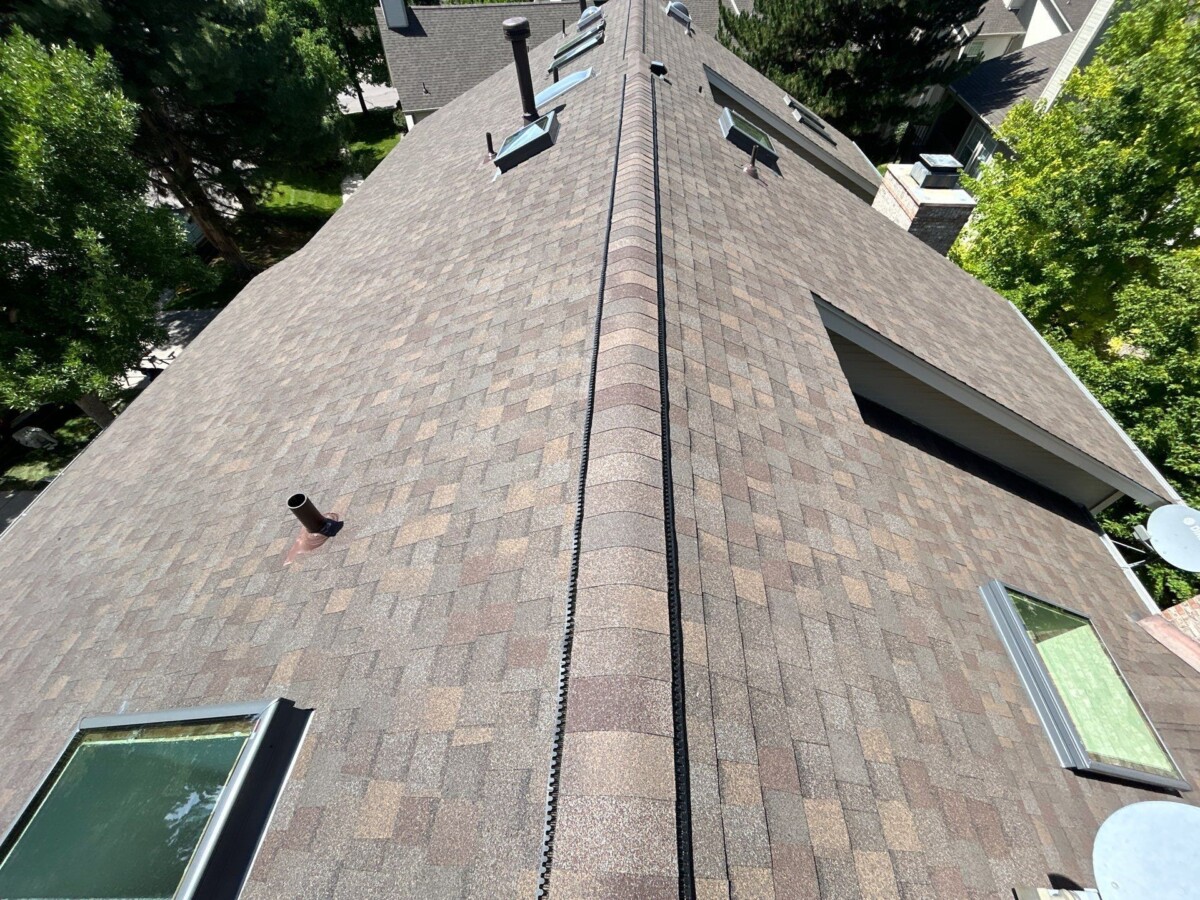
Once work began, the product performed consistently across the site, which allowed the crew to maintain installation standards as temperatures fluctuated. For large, multi-unit reroofing projects, that consistency helps keep focus on scheduling, coordination, and quality control rather than re-evaluating system decisions mid-project.
The Woodridge Terrace project didn’t succeed by avoiding winter. It succeeded by planning for it. As weather grows less predictable and client expectations continue to rise, contractors who approach cold-season work deliberately rather than defensively will be better positioned to serve both homeowners and communities. Winter doesn’t have to stop progress, but it does demand respect.