Cold Weather Materials
As we head into colder months, many roofers and contractors will face downtime until temperatures allow for the safe installation of asphalt shingles. This can lead to slower business and a competitive disadvantage. With the help of materials that can be installed in colder months, roofers can continue projects safely through the winter while providing homeowners with durable, long-term protection. By combining the right materials, proper ventilation, and manufacturer-recommended installation techniques, pros can ensure peak performance in even the harshest conditions.
Sarah Lograsso, director of marketing and product management at Westlake Royal Building Products™, shared the best practices to help contractors extend their working season while protecting installation integrity and long-term roof performance below.
Traditional asphalt shingles lose flexibility at temperatures below 40°F, making them prone to breakage during installation. Conversely, Unified Steel® Stone Coated Roofing maintains its strength and flexibility across a wide temperature range, reducing weather-related installation issues and delays. Its Galvalume® steel construction resists brittleness, while its stone coating helps prevent snow slides that can damage gutters or landscaping. Similarly, DaVinci® Roofscapes composite slate and shake tiles can be installed in temperatures as low as 20 degrees Fahrenheit, nearly 20 degrees colder than many traditional roofing materials.
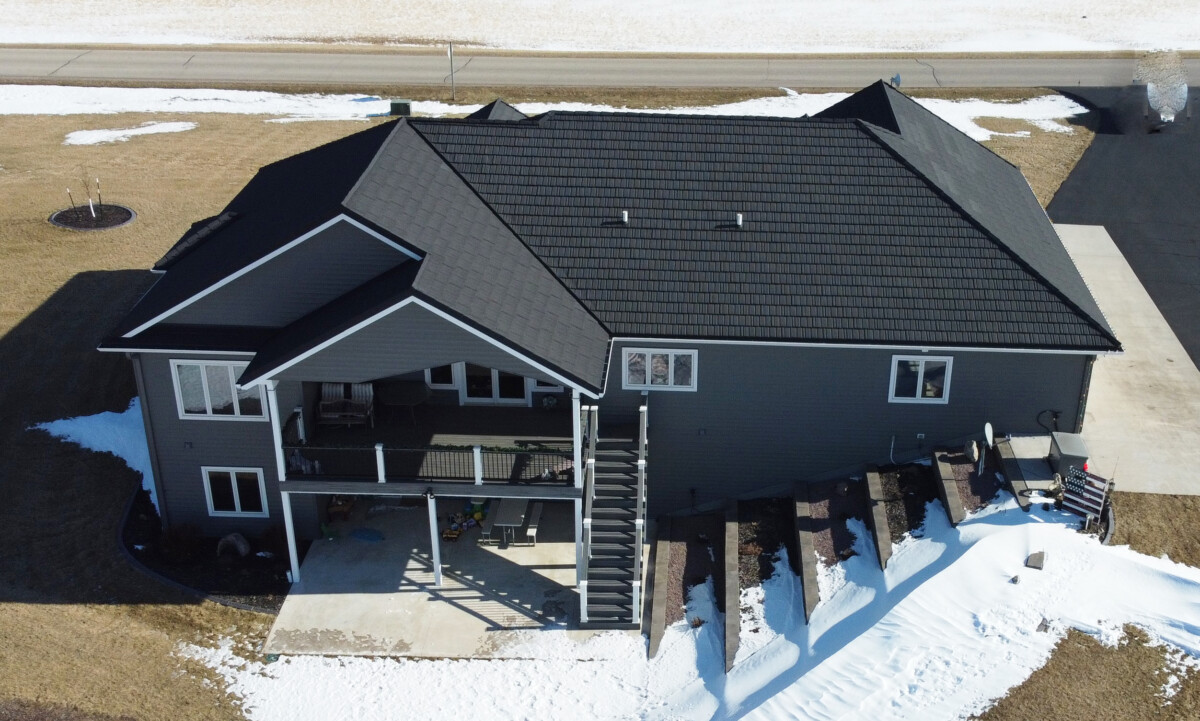
When building in areas with snowy or icy conditions, ventilation and insulation are key. Using above sheathing ventilation helps to reduce the freeze/thaw cycles that lead to ice damming. For added protection, Sol-R-Skin™ BLUE underlayment provides both reflective and insulative properties, while MetalSeal should be applied at valleys and eaves to protect vulnerable areas from ice and water infiltration.
Snow accumulation varies widely by region, but Unified Steel’s structural integrity allows roofs to carry significantly heavier loads than asphalt systems. Panels installed using a batten or counter-batten system can further increase snow-load capacity and help minimize the effects of freeze/thaw cycles. In regions with over 100 inches of annual snowfall, use a minimum 4/12 roof pitch, ensure full-deck underlayment coverage, and incorporate elevated or counter-batten systems to maximize airflow and reduce ice dam formation.
Cold conditions can bring added safety challenges. Keep adhesives and caulking warm before use, store tiles flat, and adjust pneumatic nailer pressure for lower temperatures. Always watch for black ice on ladders and rooftops, and use appropriate footwear and fall protection to reduce risk.
www.westlakeroyalbuildingproducts.com