A Roofing Professional’s Guide
Preparing for Hurricane & Fire Seasons
by Richard K. Olson, President & Technical Director, Tile Roofing Industry Alliance
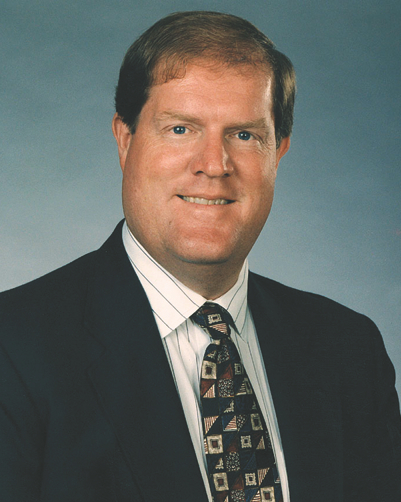
(Editor’s Note: Richard K. Olson is president and technical director for the Tile Roofing Industry Alliance. The association represents industry professionals involved in the manufacturing and installation of concrete and clay tile roofs in the United States and Canada, and works with national, state, and local building officials to develop installation techniques, codes, and standards for better roofing systems. Olson can be reached at rolson@tileroofing.org.)
June marks the beginning of one of the most significant times of the year for roofing professionals: the start of both hurricane and fire season in the United States. These two events, while distinct in nature, share a common trait, both have the potential for devastating impacts on local communities and, by extension, on the roofing industry. Let’s look at how these seasonal threats can affect the roofing trade, provide guidance on how to prepare for the post-event landscape, and highlight the importance of understanding and adhering to local building codes to ensure both safety and compliance.
While hurricanes are historically a concern for the East Coast, increasing activity in the Pacific is starting to change the landscape of risk. Areas like Southern California, Hawaii, Oregon, and Washington are now facing heightened risks due to potential hurricane impacts. The frequency and severity of these storms are rising, and as a result, roofing professionals across the country need to prepare for wind events, which can severely damage roofs and create urgent repair needs in the aftermath of such events.
Roofing professionals need to be aware of the evolution of design wind speeds in their respective areas. Over the past decade, the wind committee of the (American Society of Civil Engineers) ASCE-7 has been refining the way wind speeds are predicted and how roofing materials should perform under various wind conditions. These updates are included in the National Building Codes which directly affect the way roofing systems are designed, installed, and repaired.
Currently, the ASCE-7-16 version is in effect, with a new ASCE-7-22 expected to come into play in the next code cycle. This new version includes updates to the fastenings required for roofing materials in high-wind zones. These changes are essential for roofing professionals to understand, as they have direct implications for the safety, performance, and durability of roofing systems.
As a roofing professional, one of the first steps is to become familiar with the designated wind speeds in your area. Some jurisdictions may still be operating under the ASCE-7-10 standard, while others have already adopted the newer codes. Wind speeds are defined using various terminology, including fastest mile, three-second gusts, sustained, and ultimate wind speeds. Each of these measurements corresponds to specific installation and fastening techniques, and converting these definitions into practical applications is critical for ensuring compliance.
Notably, some jurisdictions, especially those in high-risk areas, have opted to increase their wind design speeds to account for local weather conditions. These increased design speeds are implemented to provide better wind resilience for buildings, particularly in coastal areas. In the case of concrete and clay tiles, roofing systems installed to withstand wind speeds up to 100 mph will generally meet the necessary requirements. However, as wind designations increase, additional fastening may be required in certain high-exposure zones, especially in areas with higher mean roof heights or specific roof slopes.
When higher wind designations are required, it is crucial to consult with tile manufacturers for additional recommendations. Manufacturers often provide detailed guidelines and options for installations in these high-wind regions. Fortunately, the industry has made significant strides in research and testing to provide code-approved options for increasing the fastening of roofing materials, ensuring that they remain secure even during extreme wind events.
As a roofing professional, understanding these evolving code requirements is essential for ensuring that new and reroofed applications are compliant. Beyond code compliance, it also presents an opportunity to invest in upgraded systems that may offer better performance in the long run. Furthermore, as wind damage repairs begin after a hurricane or severe wind event, having a thorough understanding of local codes and industry best practices will be essential for navigating insurance claims and ensuring that repairs are completed swiftly and safely.
While wind and hurricanes may be the most obvious concern in certain parts of the country, the growing threat of wildfires is becoming an increasingly pressing issue for roofing professionals, particularly in the western United States. The onset of hot, dry weather in the Northwest signals the start of fire season, which can have a far-reaching impact on communities and the roofing industry.
The insurance industry is already responding to the increased risk of wildfires, introducing policy changes, higher deductibles, and, in some cases, even cancellations of policies for properties located in high-risk fire zones. As the threat of wildfires continues to increase, roofing professionals must be prepared for both the immediate effects on roofing systems and the longer-term consequences on the broader insurance and construction landscape.
Wildfires pose a unique set of challenges for roofing professionals. The heat generated by fires can significantly weaken certain roofing materials, especially in areas where roofs are not designed to withstand such intense conditions. Additionally, fire damage often extends beyond the roof itself, affecting the entire structure of a building and necessitating large-scale repairs or replacements.
Over the last decade, our TRI Alliance has worked directly with roofing professionals, manufacturers, to develop products and strategies to improve the fire resilience of our concrete and clay roofing assemblies. Underlayments, ventilation systems, and new roofing materials are now available that can help reduce the impact of fire. Using our tile products, in combination with other fire-resilient building practices, such as creating defensible space around a building, can significantly improve the safety of structures in high-risk fire zones over traditional roofing materials.
As roofing professionals, staying informed about the latest fire-resilient options is crucial. The Institute for Building and Home Safety, the insurance industry’s research arm, has been actively promoting the use of fire-resilient materials and systems to increase overall building performance. These systems are designed to slow the spread of fires, prevent ignition, and protect structures during an active fire event. Understanding how these systems work, and integrating them into roofing designs, can play a significant role in reducing the risk of fire damage.
In California, the TRI Alliance is working closely with manufacturers and contractors to stay ahead of potential changes in local fire codes. As we’ve seen in recent years, California is a leader in implementing stringent fire prevention measures, and other states are likely to follow suit. By staying ahead of these changes and understanding how local jurisdictions may increase fire designations, roofing professionals can better prepare for the future.
After a major wind or fire event, roofing professionals will find themselves on the front lines of recovery efforts. As communities begin to rebuild, the demand for roofing services skyrocket, and professionals must be prepared to meet these demands efficiently and effectively. Having a clear understanding of the local building codes, as well as an awareness of the latest roofing technologies and products, will be crucial for navigating these recovery efforts.
The post-event landscape also presents an opportunity for roofing professionals to upgrade existing systems. Many homeowners and businesses may be looking for better-performing roofing solutions that offer increased resilience against future storms and fires. This is an excellent opportunity to educate clients on the benefits of upgraded systems, such as those designed for higher wind speeds or improved fire resistance to include the use of our concrete and clay tile options over lower performing materials.
As always, it is important for roofing professionals to stay informed about the latest developments in both wind and fire safety. Regular training, consultations with manufacturers, and active participation in industry organizations like the TRI Alliance will ensure that roofing professionals are equipped with the knowledge and tools they need to protect their communities and grow their businesses.
As we enter hurricane and fire season, roofing professionals must be prepared for the challenges that lie ahead. By staying informed about the evolving building codes, the latest materials and products, and the impacts of wind and fire on roofing systems, professionals can ensure that they are ready to meet the demands of their communities. Through collaboration, education, and preparedness, roofing professionals can help strengthen their businesses and contribute to the resilience of their communities in the face of these growing threats.