Reinforcing the Standard
Safety Culture Requires Constant Attention
by Stephen Zasadil, WSRCA Safety Consultant, President, SNK Services LLC
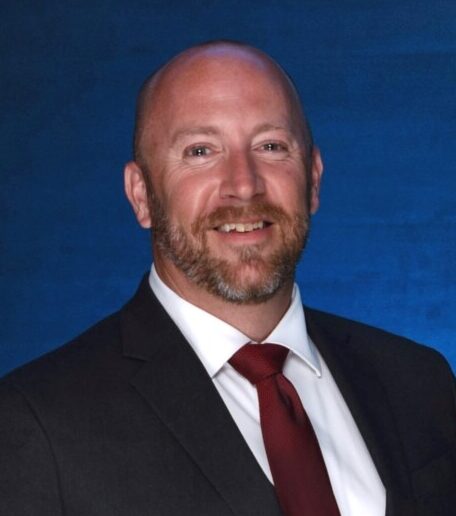
(Editor’s Note: Stephen Zasadil spent ten years as a safety of flight operator with the United States Navy before beginning his career as a safety compliance consultant in 2009. He currently works with companies across the United States to provide OSHA compliance information, documentation, and training.)
At last year’s WSRCA Convention, I wrote about how consistency is key to a strong safety culture. That message hasn’t changed, but as we arrive at the 51st Annual Western Roofing Contractors Association Convention, I believe it’s time we double down.
Not because we haven’t made progress, but because maintaining a culture of safety takes more than a slogan. It takes repetition, leadership, and an unshakable commitment to doing things right, even when no one’s watching.
If consistency was the foundation, reinforcement is the framework. This article isn’t a new direction. It’s a sharpening of the tools we already have, and a reminder that safety, like roofing itself, requires daily upkeep.
Culture Isn’t Built Once, It’s Maintained Every Day
Safety culture is often talked about like a milestone, something to reach. Anyone who’s been in this industry long enough knows it’s a moving target. You don’t arrive at a strong safety culture. You reaffirm it every morning in your tailgate meeting. You model it when you buckle your harness before asking anyone else to. You embed it by following protocols even when the schedule is tight and corners are tempting to cut. True culture is reflected in what your team does when the boss isn’t on site. Getting to that level takes time, trust, and consistency.
From Compliance to Commitment
We’ve all seen companies that treat safety like a compliance exercise, clipboards, checkboxes, and minimum effort to avoid citations. The best roofing contractors don’t aim for the minimum. They recognize that safety isn’t about what you have to do, it’s about what you choose to do, every day.
When safety becomes a core value, not just a rule, it unlocks real buy-in. Crews don’t just follow the steps. They speak up. They watch each other’s backs. They take pride in the process.
Training with Purpose, Not Just Paperwork
Consistent training is one of the most powerful ways to reinforce safety culture, but only if it’s done with purpose. Here’s the difference: reading off a toolbox talk is compliance, while asking questions and tying the topic to real jobsite scenarios is culture.
Training should be digestible, repeatable, and engaging. In our diverse workforce, that means delivering it in the languages and formats your crews actually understand, whether that’s English, Spanish, visual, or hands-on.
Weekly toolbox talks, scenario-based walk-throughs, and feedback sessions shouldn’t be an afterthought. They should be part of your rhythm, just like laying felt or pulling chalk lines.
Leadership Walks the Talk
If your leadership isn’t setting the standard, you don’t have a safety culture. You have a policy manual. Crews notice everything. If you wear your harness inconsistently, if you brush off inspections, or if you rush through morning huddles, that becomes the tone of the job.
On the flipside, when a superintendent stops work to correct a guardrail, when a project manager recognizes a crew member for catching a hazard, or when an owner personally checks in about PPE access, that’s where the culture gets reinforced. At every level, leadership must model the behavior we want to see. Safety isn’t about titles. It’s about trust.
Communication Is the Real PPE
Too often, we focus on hardhats and harnesses but forget that open communication is just as vital to protection. If workers don’t feel comfortable reporting concerns, or if those concerns are dismissed, then all the written policies in the world won’t matter.
Build a culture where it’s okay to pause, where asking questions becomes a part of the daily routine, where safety is everyone’s responsibility, and everyone’s voice matters. That kind of communication takes effort. Once it’s normalized, it becomes the invisible net catching things before they become incidents.
WSRCA at 51: Experience Meets Intention
51 years of WSRCA is more than a number. It’s a reminder that our industry is both experienced and evolving. We’ve weathered economic shifts, regulatory changes, workforce challenges, and still we stand stronger.
However, our progress in safety can’t be taken for granted. Even now, we’re adapting to new risks like heat illness, changing fall protection standards, and mental wellness in the trades. We can’t afford to set and forget our safety systems. We have to stay engaged.
The WSRCA Convention gives us a chance to reset, recharge, and remember that the next breakthrough in safety culture won’t come from equipment alone, it’ll come from intention.
Final Word: Repetition is Not Redundancy
If this message sounds familiar, that’s the point. Culture is built on repetition, not novelty. We don’t lay a roof once, we layer it; we don’t train once, we revisit; and we don’t build culture once, we live it every day.
So if you’ve heard me say that consistency is key before, take this as a reaffirmation: we don’t need a new catchphrase. We need to keep showing up, reinforcing the right behaviors, and holding the line, because that’s how safety sticks. Here’s to 51 years of WSRCA and to every roofing contractor committed to making year 52 even safer.